How to Attract Beetles to your garden
One more in the occasional series of how to make your garden more insect friendly, this time beetles.
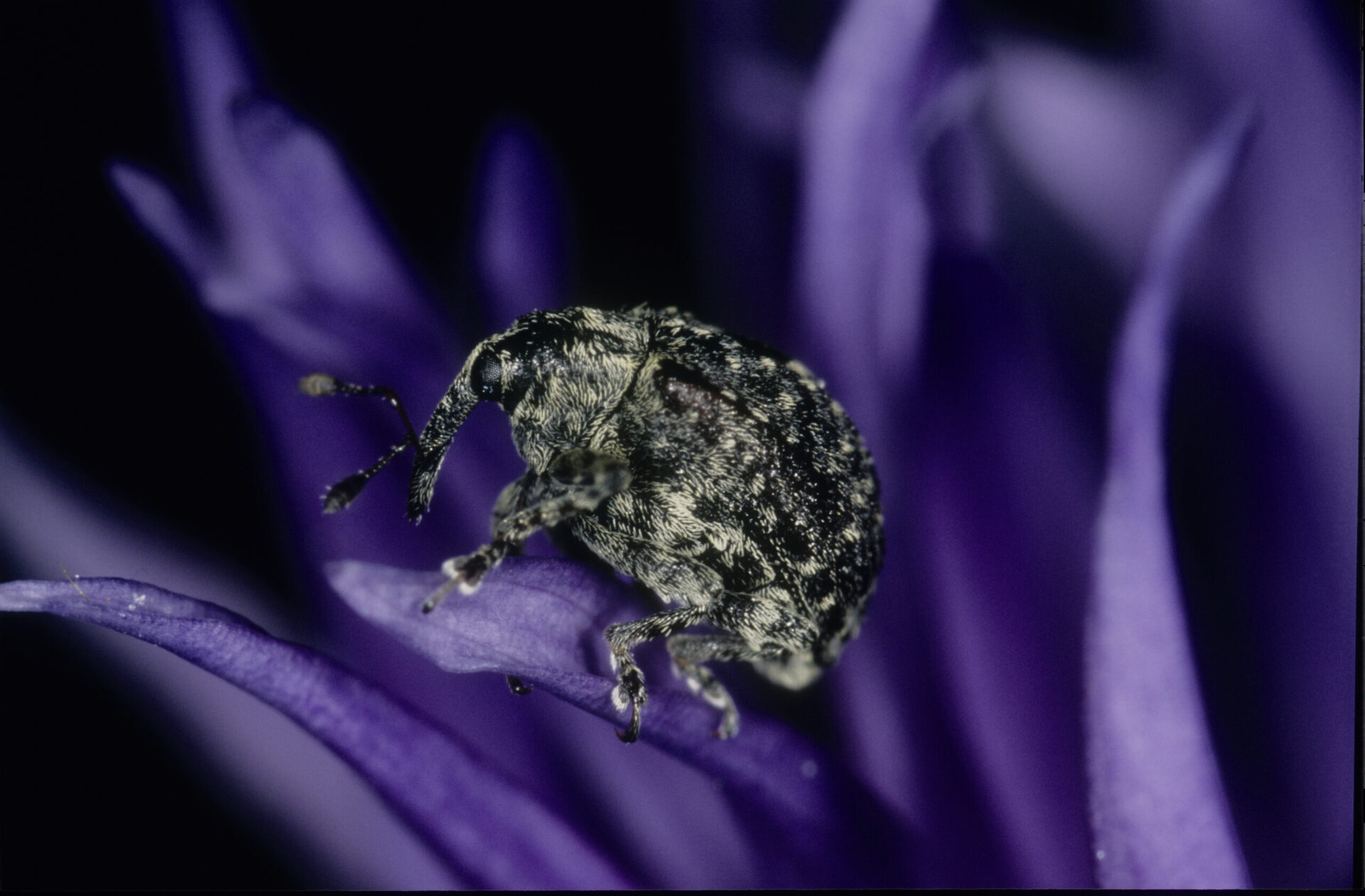
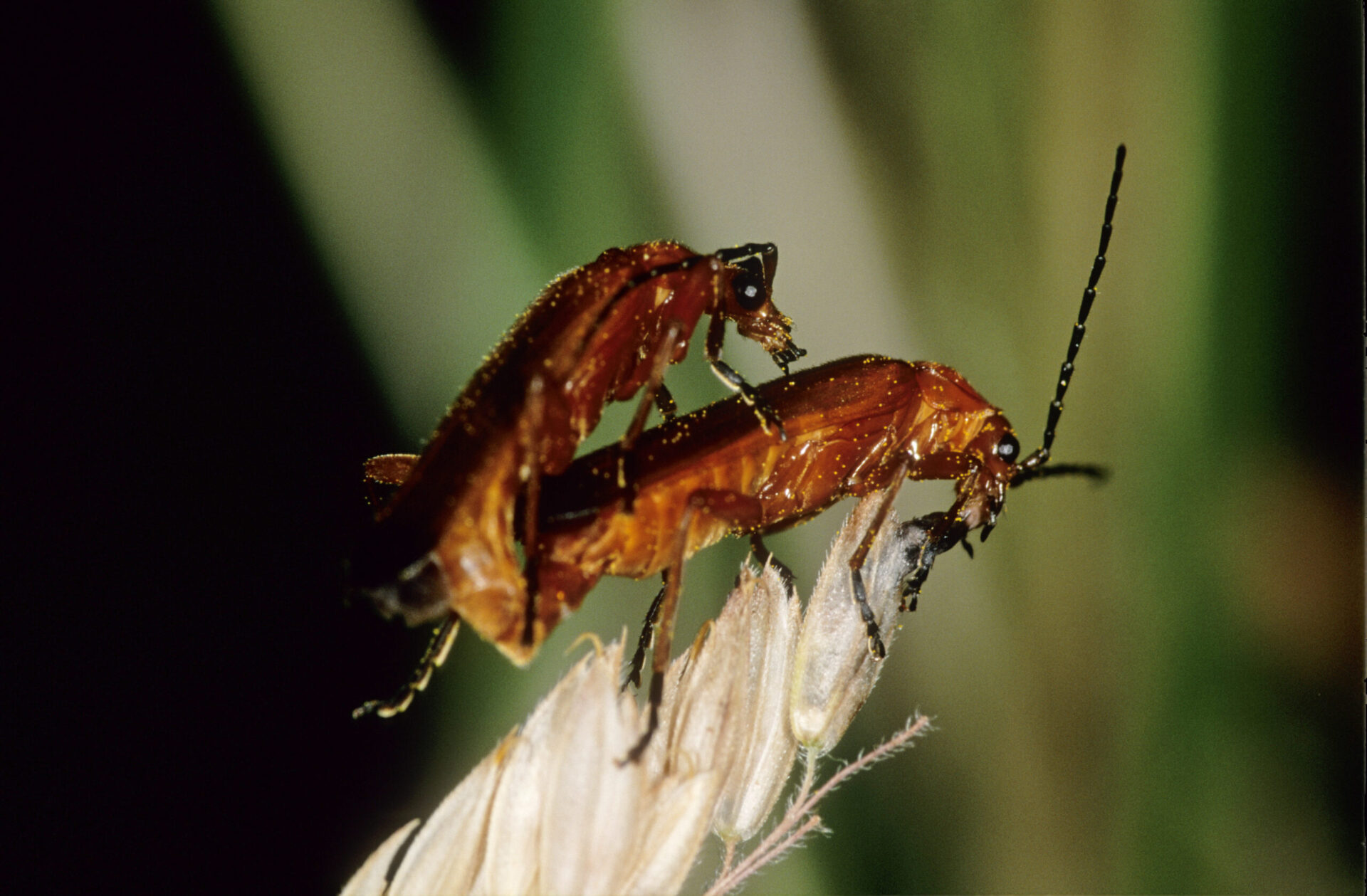
There are around 4,000 beetle species in the UK. Some, like ladybirds, are really useful because they look pretty and eat aphids, cockchafers make you laugh because they’re so bad at flying, aphids can be harmful (but only to your plants), glow-worms are cool (and their larvae eat slugs), stag beetles are huge, heavily armed and look extraordinary, red soldier beetles spend most of their time having sex so are known as Hogweed Bonking Beetles (true), crickets will sing to you at night and grasshoppers serenade you in the day (and you can tell them apart because only crickets have their ears on their legs), shield bugs are fine as long as you don’t squash them (at which point they stink), froghoppers are responsible for cuckoo spit (which they exude from their arse), and earwigs just want to nest in your ears (not true at all).
How to have all these and more in your garden
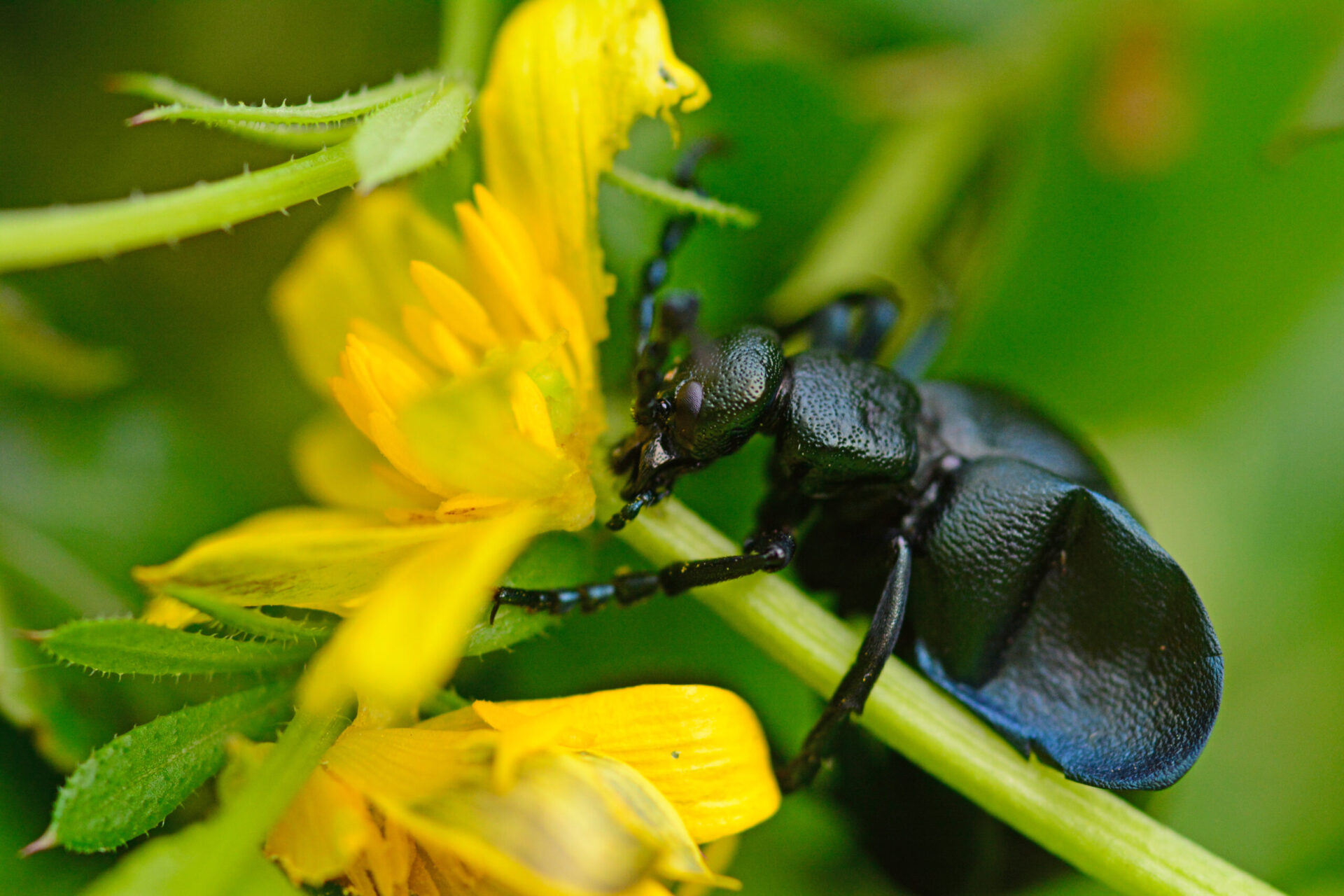
There are of course thousands more beetle species than these but you’ll make at least a thousand of those species very happy (including stag beetles) just by having a pile of rotting logs in a shady corner of your garden. Ideally dig the bottom layer below the surface so that it always stays moist. A leaf pile and a compost heap are both great beetle habitats and good places for them to lay their eggs (and lots of their larvae eat slugs).
For the pond skaters and water boatman just have a pond (but don’t rub your head when near water boatmen as the females find it irresistible, particularly if your head is a bit ridged). For grasshoppers and crickets, and lots of other beetles, just leave some of your lawn to grow long.
And finally don’t forget a pile of stones somewhere for nocturnal beetles to relax under during the day.
It's that simple
So no complicated plantings, difficult boxes to make or stinking lagoons this time, just a bit of rotting wood, a pile of stones and a bit less mowing and those slug eating larvae will be patrolling your veg patch in no time!